***** WORKING DRAFT *****
THIS IS A CURATED COLLECTION AND TBD HOW EACH PARTICLE IS USED
- Still playing with formatting
- Copy is first pass
- Images are from linked posts & are subject to change
- NOTE: Red font is not available in particles
Being connected technologically is not the same as being connected personally.
Technology lets us work almost anywhere, communicate instantly, and collaborate with people we may never meet in person. But working independently doesn't mean you have to feel alone.
For those of you who don't know us (yet!), Red is not only a warm and fuzzy mom, but she represents the person who wants connection and conversation. Black, a highly pragmatic (and often sarcastic) retired corporate executive who started racing Porsches and Ferraris to offset boredom (we only mention that because she can't help but use car and racing analogies) represents the extremely independent person who thinks, "I am fine. I will figure this out."
However, connection does not mean everyone needs to be outgoing, talkative, or constantly social. Some people thrive working quietly and independently. The issue is not how much someone talks. It is whether people feel seen, heard, supported, and comfortable reaching out when they need someone.
Red & Black Connection is a collection of stories, videos, conversation starters, and simple reminders we've created over the years about communication, listening, empathy, teamwork, stress, and asking for help.
We're not mental-health professionals, and these resources aren't intended to replace professional support. They're simply meant to help us do something very human (although Red does think Black's a Vulcan): Pay attention to one another.
1. START A CONVERSATION
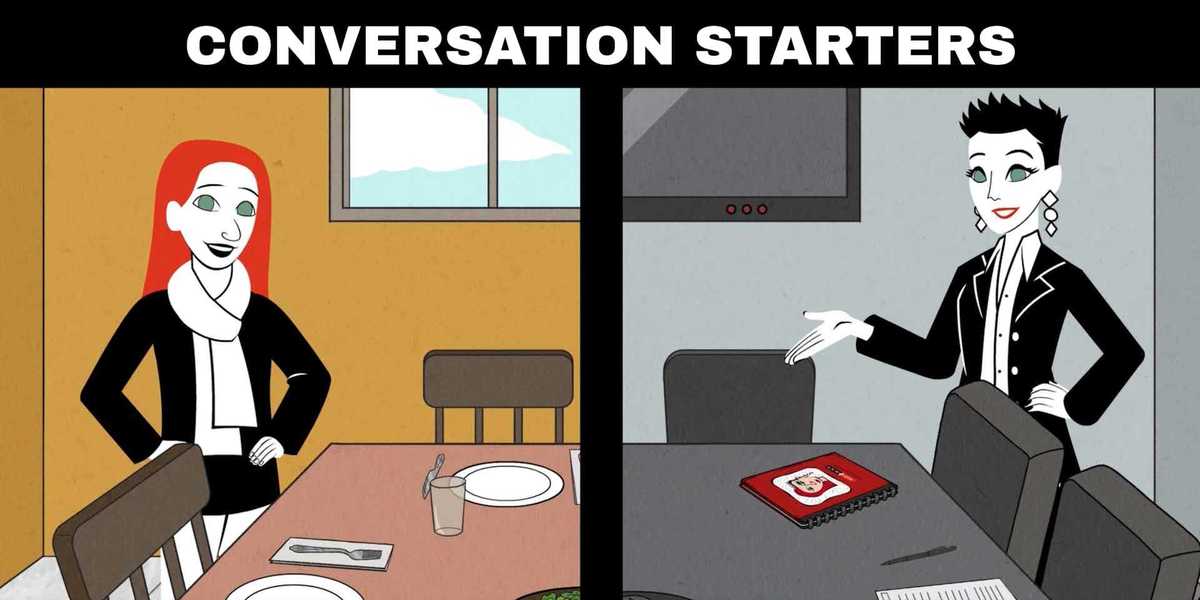
Sometimes the hardest part of a meaningful conversation is simply getting started. That is why we created Red & Black Conversation Starters: no right answers, no tests, and no requirement that anyone agree.
And as simple as ... Stop. Think. Listen. Talk.
READ: A Conversation About Conversation Starters
TRY THIS: Instead of asking a coworker, “How are you?” when you know the response will be, “Fine,” ... try asking something that might start an actual conversation:
- What's been on your mind lately?
- What's making your job easier right now? Harder?
- Is there anything you wish the rest of us understood?
- What's something good that's happened this week?
You don't have to have a solution. Oftentimes, starting the conversation is enough.
2. LISTEN. TRULY LISTEN.
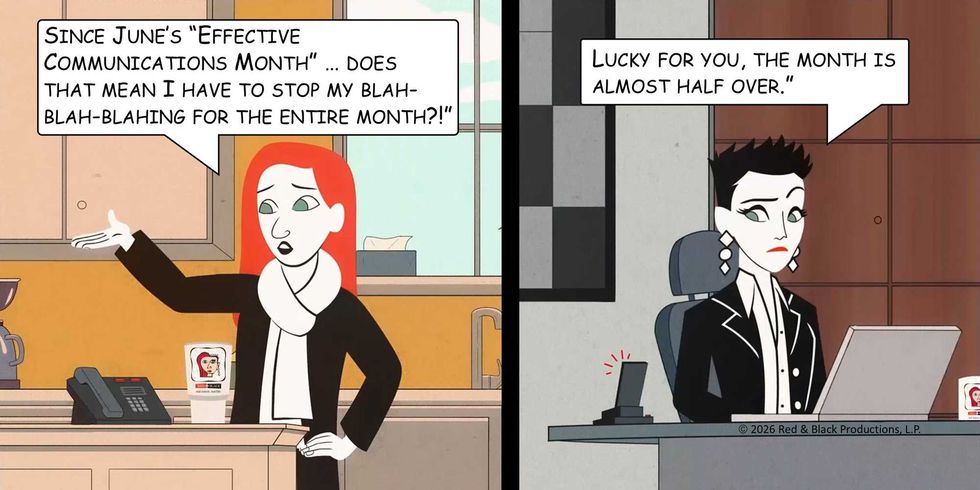
Talking isn't the same as communicating. And hearing isn't the same as listening. And communication isn't finished when you send the message. What matters is whether the other person receives it and understands it.
READ: It’s June … Blah-Blah-Blah Or Bullet Points?
READ: Listen To This Stutter!
TRY THIS: The next time someone is talking to you, notice what you're doing.
- Are you listening?
- Or are you waiting for your turn to speak?
3. YOUR WAY MAY NOT BE THEIR WAY
Some people talk things through (Red). Others want bullet points (Black). Some people would rather write than talk. Some need time to think before responding (some don't realize they do!). And some people may be much more comfortable sending a message than calling or walking into someone's office.
The important thing isn't how you communicate. It's that you find a way that works.
READ: Talking Stuffed Animals?
TRY THIS: Think about someone you work with regularly.
- How do you communicate with that person?
- Is that the way you prefer, or the way they prefer?
There may be a difference.
4. DON’T ASSUME — ASK
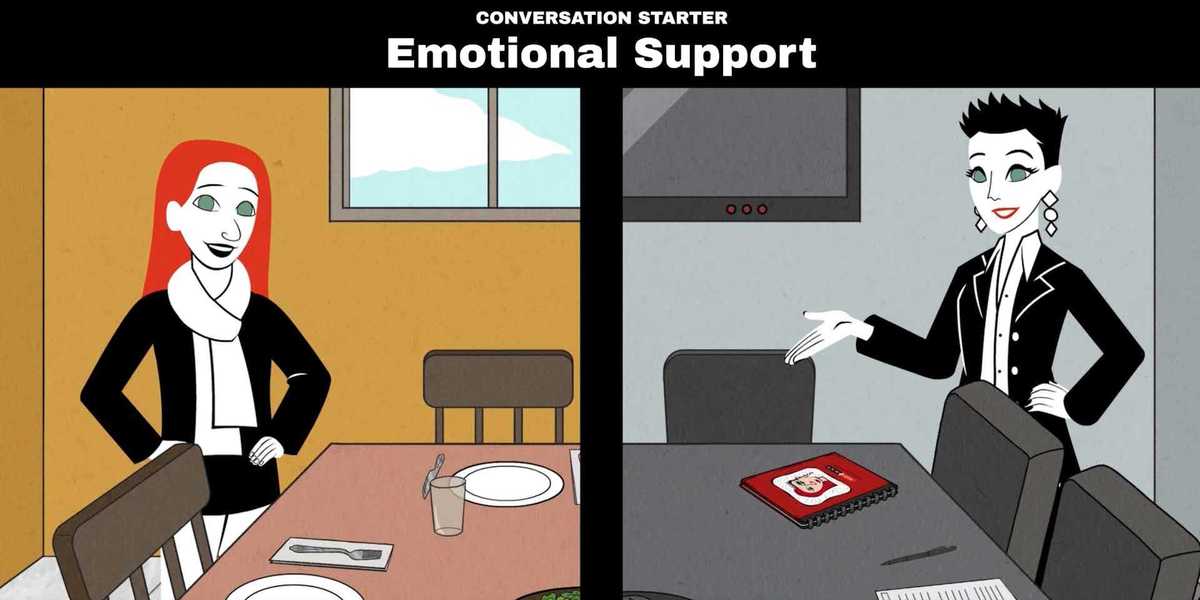
Sometimes people need advice. Sometimes they need help. Sometimes they need someone to understand. And sometimes they simply need someone to listen (what Red calls "venting".)
READ: Sympathy? Empathy? There’s A Difference?
TRY THIS: Instead of immediately trying to fix the problem, ask:
“Do you want my help figuring this out, or do you just need me to listen?”
And remember, there is no wrong answer. So don’t just ask. Respect the answer.
5. WHEN YOU DON'T KNOW WHAT TO SAY
Sometimes we don't know what to say when someone is going through something difficult. So we say nothing. Which makes it worse.
Red learned how isolating that can feel after she had two miscarriages. No one wanted to even acknowledge what had happened, let alone talk about it. For Red, that made an already difficult experience even harder.
You don't need to have the right words. Sometimes you just need to acknowledge that someone may be hurting.
READ: *** Create ASK R&B based on excerpt from book re: miscarriage and getting fired (pages 84-85)
TRY THIS: If you don't know what to say, why not say exactly that?!
“I don't know what to say, but I wanted to check in. You don't have to talk about it, but I'm here if you want to.”
You may not be able to make things better. But you can make sure silence doesn't make someone feel alone.
6. YOU'RE NOT ALONE
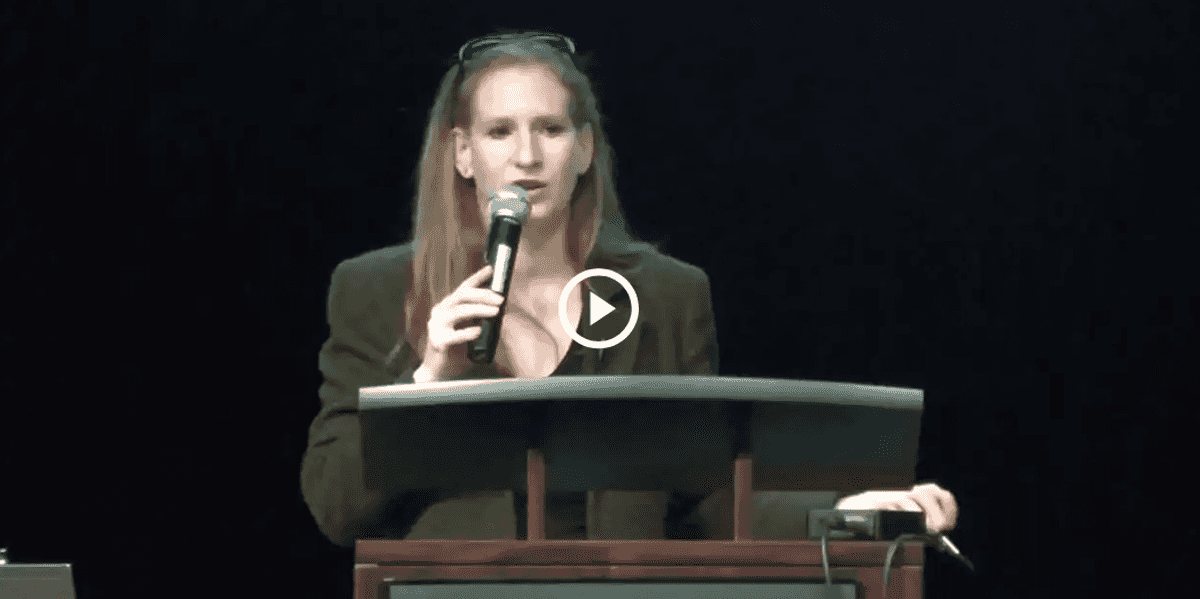
A problem can feel much bigger when you think you have to handle it by yourself. Red learned that during one of the most difficult periods of her life. Years later, when we spoke to students facing their own uncertainties, the message was simple:
You don't have to go through difficult things alone.
Friends. Family. Coworkers. Counselors. Support groups. Someone you trust. Talking to someone can be a start.
WATCH: You’re Not Alone!
TRY THIS: Ask yourself these questions:
- Who would I call if I were struggling?
- And, just as importantly: Who might call me?
- Maybe even, who would I want to know that they can call me?
7. HELP IS AN ACCEPTABLE 4-LETTER WORD
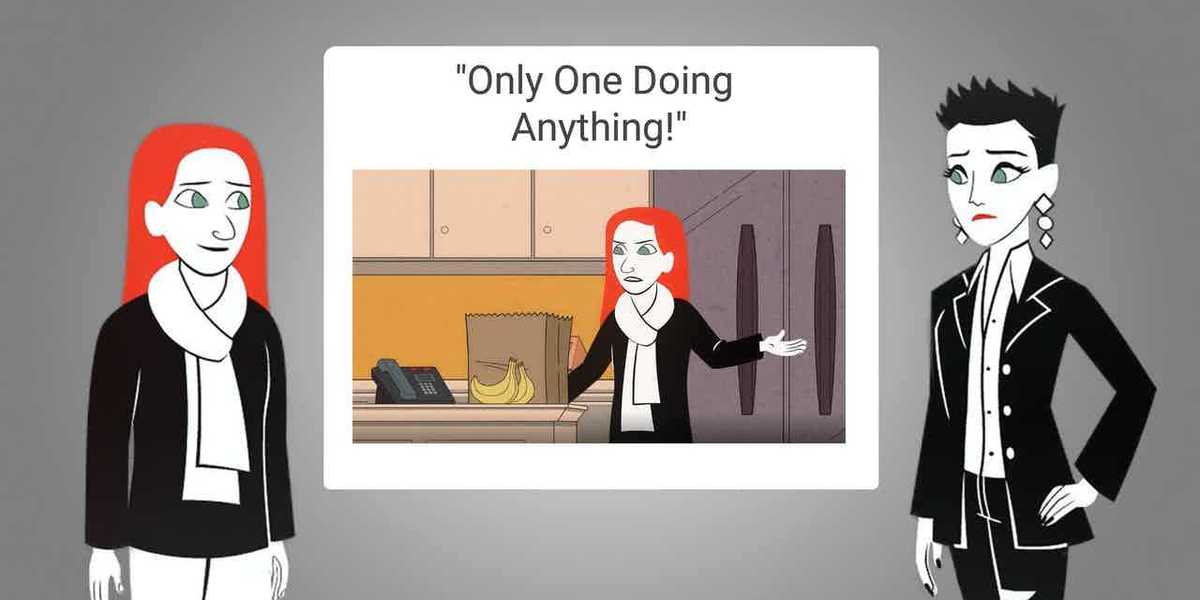
Being capable doesn't mean doing everything yourself. In fact, one of Red's recurring problems is waiting until she's overwhelmed before admitting she needs help. Sound familiar?
WATCH: Only One Doing Anything!
TRY THIS: Don't wait until someone says, “I need help.” Pay attention. Ask:
“You've got a lot going on. Anything I can take off your plate?”
They may say no. Ask anyway.
8. WHO'S ON YOUR PIT CREW?
Black may be alone in the race car, but she's never racing alone. Every driver depends on a crew — watching, communicating, anticipating problems, and doing whatever is necessary to keep the car on track.
Work — and life — aren't very different.
READ: Comparing Marriage To Racing A Ferrari?!
TRY THIS: Think about your pit crew and identify:
- Who is on yours?
- Who knows when you're having a bad day?
- Who will tell you when they see something you don't?
- Who can you call when something goes wrong?
- And think about: Who counts on you as part of their pit crew?
9. TIME ALONE IS VERY DIFFERENT FROM TIME AWAY
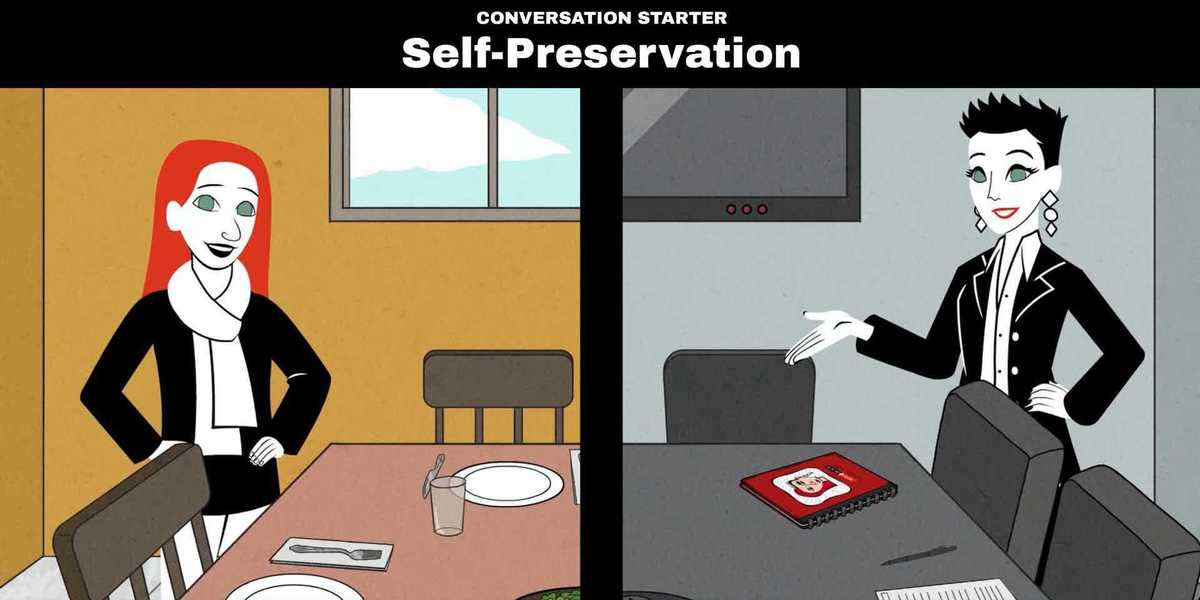
You can spend an entire workday alone and still never have a moment to yourself. Emails. Messages. Deadlines. Meetings. Notifications. Problems to solve.
Time away is different. It might mean doing something by yourself. Or it might mean spending time with family or friends. What matters is stepping away from work long enough to focus on something — or someone — outside of it.
READ: Don’t Confuse Time Alone With Time Away!
TRY THIS: Ask yourself: When was the last time I deliberately disconnected from work and did something with no objective other than doing it for myself? It could be spending time by myself or connecting with others. Schedule time to do just that ...
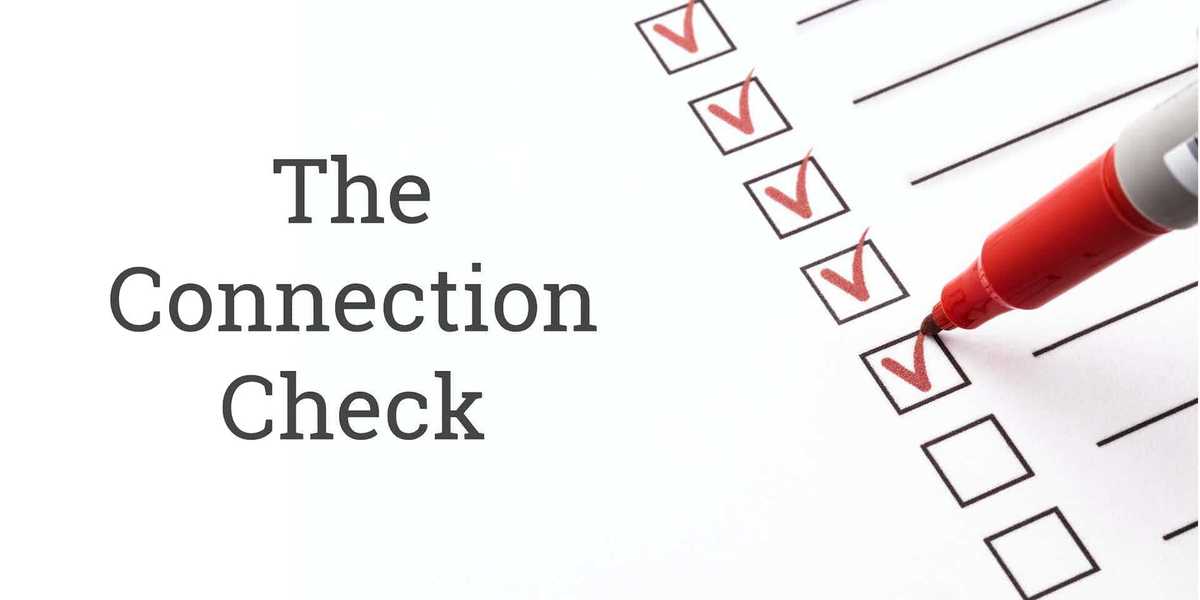
No survey. No score. Just five questions worth asking yourself occasionally.
1. Who haven't I actually talked to lately?
2. Who on my team seems different than usual?
3. Have I really listened to anyone today?
4. Who would I ask for help if I needed it?
5. Whose pit crew am I?
Technology can connect computers. People still have to connect people.
Design by Sawyer Pennington
Our banter may start with two sisters, but it’s getting families, friends, and even classrooms talking.
October is Health Literacy Month, and if you've ever struggled to understand medical terminology, figure out what health information to trust, or weigh the risks and benefits of treatment options, you already know why health literacy matters.
Each of us approaches health information very differently, but as you'll discover, even Black, who enjoys statistics and research, finds navigating healthcare complicated. And Red? Just thinking about it can give her a headache!
| As a mom, over the years, I've had to become familiar with various children's health issues and basic healthcare (and don't get me started on health insurance). But whenever it was something more than the common cold or flu, a stomach ache, or the usual scrapes and bruises, I felt like I was back in school. And between the terminology and trying to understand how the body works, I often felt like I needed a nursing degree. Not to mention, there's so much information on the internet, it can be overwhelming as well as confusing and sometimes scary. Over the years, I've also had to deal with my aging parents' more serious health issues, and I've lost count of the pages of notes I've taken and questions I've asked. Or the conversations discussing risks vs. benefits that I've had with medical professionals and my sister. (I'm glad Black finds statistics "fun" and can look at them unemotionally because they give me a headache.) |
| Until recently, I had never heard the term "health literacy," and when I first did, I initially thought about general literacy skills such as the ability to read and understand numbers. Skills that are essential if you are sick and need health information and services, but also impact health decisions that should be simple, like filling out forms, taking over-the-counter drugs (aspirin, cold and flu remedies, etc.), and learning about the things we should (or should not) do to live a healthier life and reduce the chances of serious illness. But then, I thought about how anytime I had to deal with a health issue, especially ones that could potentially be serious, it was a tedious, complicated, and technical challenge. And, at the risk of sounding arrogant, I like to consider myself well-read, pragmatic, and comfortable with numbers and research documents. In other words, although it impacts some people more than others, the issue of "health literacy" affects us all. (And, that does not even address what it does to the cost of healthcare.) |
 red head assets.rebelmouse.io
 Black assets.rebelmouse.io
THE CONVERSATION STARTERS
- Before now, have you ever thought about "health literacy"? How would you describe it? What impact does it have on your life? How can it impact your ability to be successful in the workplace?
- Why do health and healthcare topics seem so daunting?
- Does health literacy only impact you when you are facing health issues? Why or why not?
- Have you ever had a medical situation or condition that required you to learn more about it? Where did you seek information? Did you have any problems learning about it?
P.S. – You might be interested in our Conversation Starters for Financial Literacy and Digital Literacy.
October is Bat Appreciation Month, and while most people associate bats with Halloween, they remind Red of something very different and far more important: her daughter, Natasha, a memorable trip to Austin, and a surprising decision by Black.
What started with thousands of bats flying out from under Austin's Congress Avenue Bridge eventually led to Natasha and Black getting their first — and matching tattoos. Of a bat. (Yes, Black has a tattoo!) It's a family story about memories, unexpected connections, and how something as unusual as bats can become surprisingly meaningful. | Thanks for sending me Natasha's Austin-inspired business plan. But while I know that's her future, I can't help but think about the first time I took her to Austin. |
| All I remember is that it was love at first sight. |
| It was on our way home from taking Sawyer to camp, and I told her we were making a slight "detour". She was so excited when I pulled up to the hotel, as she's always loved hotels. But that night, as we walked onto Congress Avenue Bridge and saw thousands and thousands of bats fly out into the sunset, she was mesmerized and "in love". |
 assets.rebelmouse.io
| Although I knew about the bats (the largest urban colony of bats in the world), if it were not for Natasha, I never would have planned a trip to Austin to see them. But having watched her watching the bats, I was not surprised, years later, when her first tattoo was a bat. |
| That may not have been surprising, but I was shocked when, a few weeks later, you decided to get a tattoo that was identical to hers. I didn't know that you were such a fan of bats. |
| It was not the bats; it was the fact that it was identical to he tat. Although, I think Natasha and I should add a few more bats. And this time, do it in Austin. |
| It's amazing how so many of my memories of the girls growing up are connected to Austin. |
| Funny thing is, whenever I would be there with you and the girls, and they would "drag" me to that old-time candy store at the top of Congress, I would see things I had not seen since we were little, so would be reminded of us as children. |
| That's always one of the first places they'd want to go to in Austin. That and Green Mesquite BBQ. They both loved Austin, and it wasn't like going to a large city, where there are so many places to go and sights to see. They were always happy to go back to the same familiar places and enjoy simple things, like that snowcone truck or even just walking around downtown. |
| For as long as I can remember, Austin has always been a foodie town. And, it had food trucks before they became popular around the country. Austin has a unique culture, which may be why the girls, but especially Natasha, love it. Its "Keep Austin Weird" vibe not only makes it the perfect place for her, but has provided some great ideas for her business concept. |
| I'll leave the business analysis to you. I know that she's doing that as part of her studies in the U.K., but I prefer to think about the great times we've had in Austin. And the mom in me thinks she'd be very happy to make Austin her home one day. |
| Especially as that's where millions of her beloved Austin bats live. |
Shop, Social Media & Site — UPDATE!