









Don’t Delay!
“Your Track Map”
FREE!

When Black pitched the workshop, it was not because we wanted to get involved with the world of criminal justice. It was because she saw that all the speakers were focused on either advocacy or faith-based topics. There were none geared to help the families deal with money and other "Life 101" topics, such as handling stress, relationships, and time management.
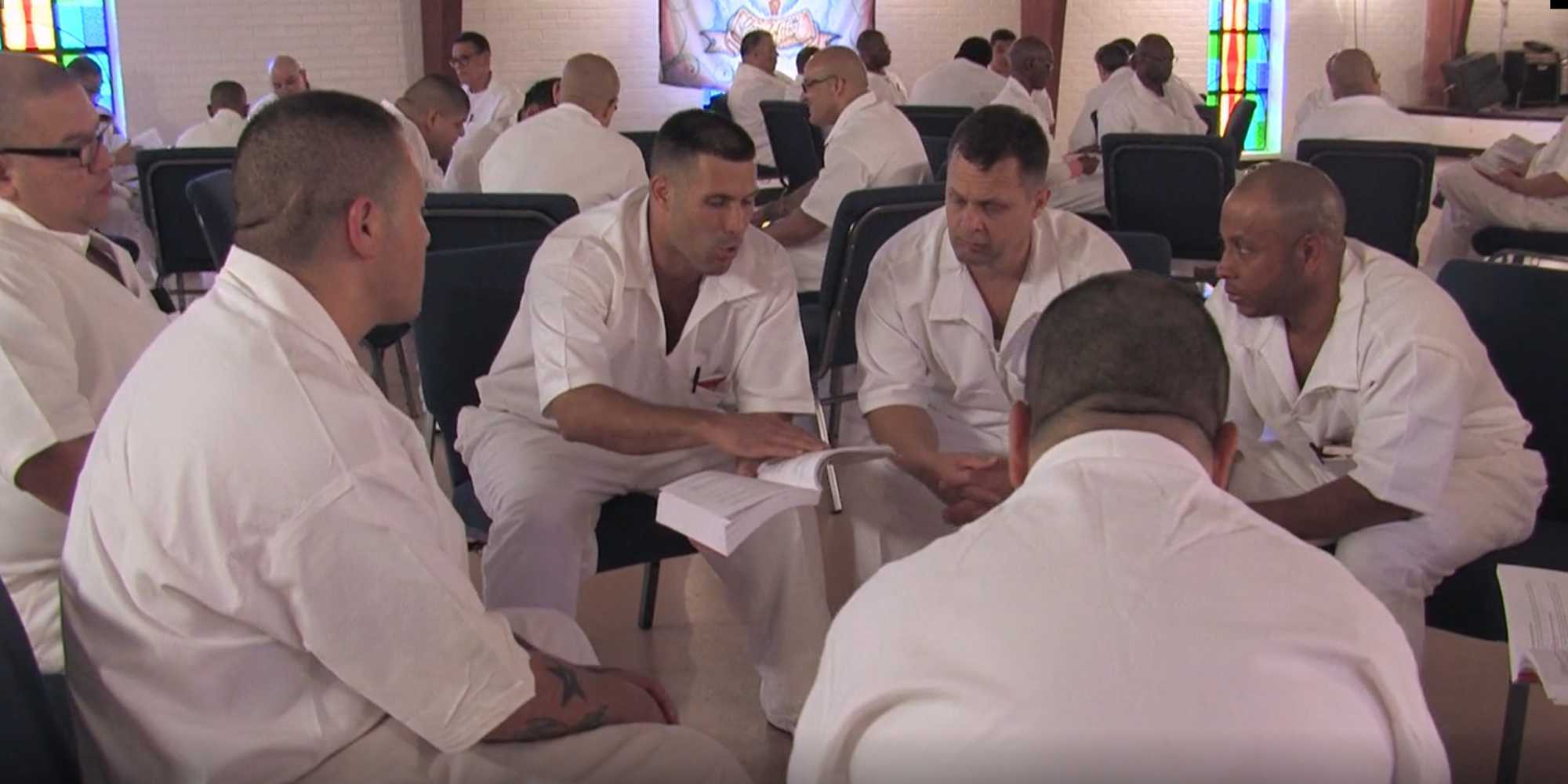
Soon after the conference, Black was invited on a "field trip" to a Texas Department of Criminal Justice men's prison south of Houston. (Red declined the “opportunity” to join her.) When Black first walked into the Stringfellow Unit, sharing our book or program was the last thing on her mind — so she was taken aback when the Chaplain providing the tour told her she’d been praying for a way to teach the men about money, and that Black was her answer.
And that’s how a self-published book launched by Neiman Marcus, intended as the basis of a sitcom, got us (ok, our book) into prison. Since then, thousands of incarcerated men and women in Texas have taken the “book study” program that uses “What I Learned About Life When My Husband Got Fired!,” and the feedback has been eye-opening and immensely gratifying. So many said it changed how they think — not only about money and other “Life 101” topics, but about responsibility and what it means to start over.
Many program participants wrote home to share their newfound knowledge with family. And many of them questioned why these topics were not taught in school, stating it might have changed the trajectory of their lives. (Don’t get Black on her soapbox that you shouldn’t have to go to prison to get an education.)
It Changed Our Perspective On Criminal Justice
Like most things, when we started our journey into the world of criminal justice, we each looked at the same situation but saw things very differently. But we each found the feedback from the program participants (and the chaplain who championed it) truly enlightening.
My first reaction was that people in prison are criminals, and our time should be spent on people on the outside. And there was certainly no way I'd ever visit a prison. However, after watching 11+ hours of raw video footage of the men who voluntarily participated in the pilot Red & Black program at Stringfellow Unit, they went from being offenders known by their prison identification numbers to people, each with their own stories. Men who wanted better — not only for themselves, but for their children and grandchildren. And as a mom, I saw hope and opportunity to change not only their lives, but also their families’. Immediately after I watched the last interview, I turned to Black and told her that first thing in the morning I was contacting the chaplain who championed the program to arrange for us to meet the men. I wanted to tell them in person how much their words affected me and my thoughts about people who are incarcerated.
Set aside the moral and social reasons to help those impacted by the criminal justice system. Forget the idea of people deserving second chances to prove they have learned from their mistakes. (Who among us has never made a mistake?) Think about how our education system fails to prepare people for life, and then look at this pragmatically — it is cheaper to educate than incarcerate. For example, our book/program costs $25/per person, less than half a day in prison. If it can help reduce recidivism, it is a small investment with huge upside potential. And, that does not take into consideration the impact it may have on family members who might have ended up in prison, but now have learned to make better decisions.
We never set out to get involved with the world of criminal justice — it just happened. A field trip turned into a simple book study, and then it turned into something much more. We’ve seen firsthand how financial literacy and personal responsibility can turn into hope, dignity, and a sense of direction. And how second chances impact individuals, their families, and their communities.
For us, it’s not about judging the past; it’s about preparing people for a better future.
WANT MORE?
Originally intended as the basis of a sitcom, our book took an unexpected detour on the way to Hollywood — into the criminal justice world. These posts share how that happened and the impact it’s making.

If you would like to connect with us about our criminal justice efforts, please email: Black@RedandBlack.email